Understanding the Basics of Paid Media Strategy
In today’s digital landscape, crafting a successful paid media strategy is essential for businesses looking to enhance their online presence. Simply put, a paid media strategy involves using paid advertising channels to promote your brand, products, or services to a targeted audience. This can include social media ads, search engine marketing, display ads, and more. According to Statista, global digital ad spending is projected to reach $645 billion by 2024, highlighting the growing importance of effective paid media strategies.
Identifying Your Goals and Audience
The first step in developing a paid media strategy is identifying your goals. Are you looking to increase brand awareness, generate leads, or drive sales? Clear goals will guide every decision you make. Equally important is understanding your audience. Who are they? What platforms do they use? What are their interests? Tools like Google Analytics and Facebook Audience Insights can provide valuable data to inform your strategy.
Ready to stop building someone else’s business?
Choosing the Right Platforms
Not all platforms are created equal when it comes to paid media. The key is to choose platforms where your audience is most active. For instance, if you’re targeting young adults, platforms like Instagram and TikTok might be more effective. Meanwhile, LinkedIn is ideal for B2B campaigns. According to Pew Research Center, 81% of U.S. adults use YouTube, making it a powerful platform for reaching a broad audience.
Social Media Advertising
Social media platforms offer robust targeting options, allowing you to reach users based on demographics, interests, and behaviors. Facebook, for example, offers detailed audience segmentation tools that can help you tailor your ads to specific groups.
Search Engine Marketing
Search engine marketing (SEM) involves placing ads on search engine results pages. Google Ads is the most popular platform for SEM, offering tools like keyword targeting and ad extensions to enhance your campaigns.
Crafting Compelling Ad Content
Once you’ve identified your platforms, the next step is creating compelling ad content. This includes attention-grabbing headlines, engaging visuals, and persuasive calls to action. According to HubSpot, using video content in your ads can increase engagement rates by up to 49%.
Visuals and Copy
Visuals play a crucial role in capturing attention. Use high-quality images or videos that resonate with your audience. Meanwhile, your ad copy should be clear, concise, and aligned with your brand voice.
Calls to Action
A strong call to action (CTA) can significantly impact your ad’s performance. Whether it’s “Shop Now,” “Learn More,” or “Sign Up,” ensure your CTA is direct and encourages users to take the desired action.
Analyzing and Optimizing Your Campaigns
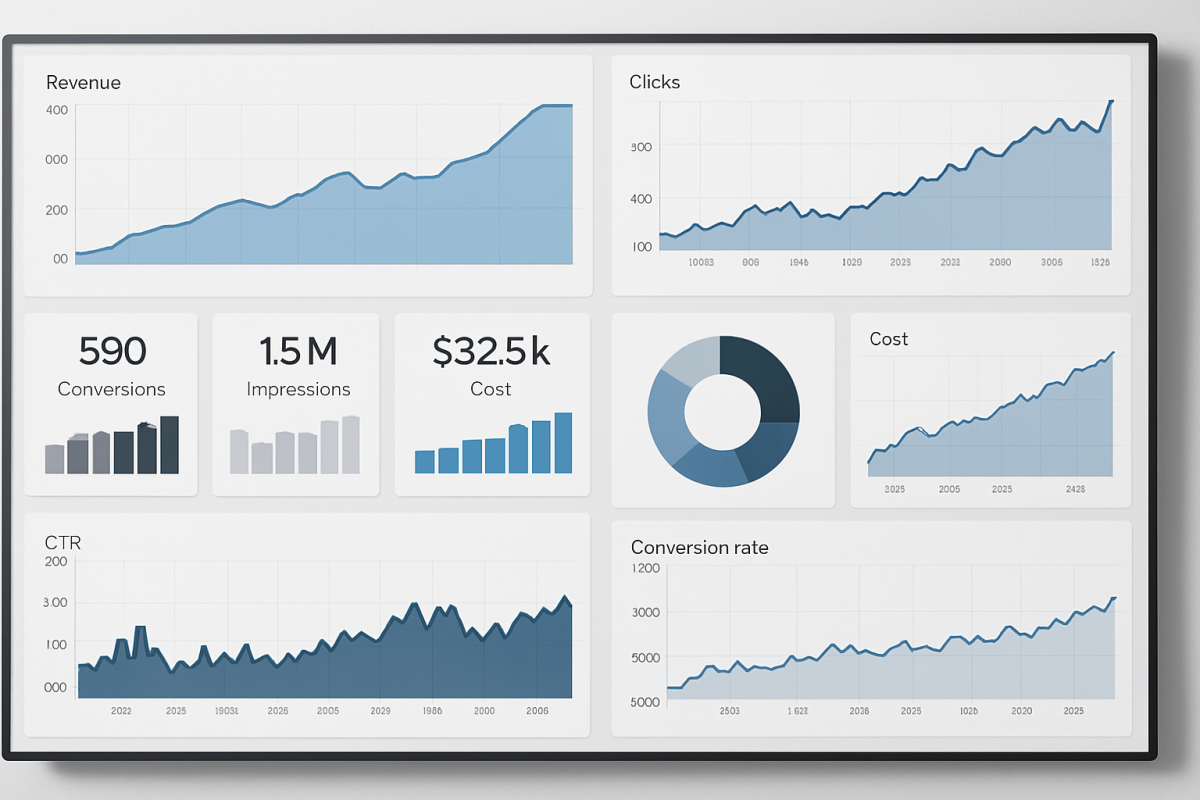
Launching your campaigns is just the beginning. To get the most out of your paid media strategy, you must continually analyze and optimize your campaigns. Use metrics like click-through rates (CTR), conversion rates, and return on ad spend (ROAS) to measure performance.

Using Analytics Tools
Analytics tools are invaluable for tracking your campaigns’ performance. Google Analytics, for instance, offers insights into user behavior, helping you understand what’s working and what needs improvement.
A/B Testing
A/B testing involves creating two versions of an ad to see which performs better. By testing different elements such as headlines, images, and CTAs, you can refine your strategy for optimal results.
Profit Signal Discover the Systematic Domain Investment Strategy
Frequently Asked Questions
What is a paid media strategy?
A paid media strategy involves planning and executing advertising campaigns using paid channels like social media ads, search engine ads, and display ads to reach targeted audiences.
How do you create a successful paid media strategy?
To create a successful paid media strategy, define clear objectives, understand your audience, select the right platforms, create compelling ad content, and continually analyze and optimize performance.
Why is paid media important?
Paid media is important because it allows businesses to reach specific audiences quickly, generate immediate traffic, and achieve measurable results, complementing organic marketing efforts.
What are the benefits of using paid media?
Benefits of paid media include precise targeting, increased brand visibility, faster results compared to organic methods, and detailed performance tracking, which aids in optimizing campaigns.
How do you measure the effectiveness of paid media?
Effectiveness of paid media is measured through metrics like click-through rates (CTR), conversion rates, return on ad spend (ROAS), and cost per acquisition (CPA), analyzing their alignment with set goals.
Conclusion
Developing a successful paid media strategy requires a clear understanding of your goals, audience, and the platforms best suited for your campaigns. Remember to create compelling content and constantly analyze and optimize your efforts for the best results. By following these steps, you can maximize your return on investment and achieve your digital marketing objectives. For additional strategies to enhance your online presence, explore our article on Effective Strategies for Social Media Growth in 2023.