Understanding the Basics of Paid Advertising
In the digital age, paid advertising has become an essential tool for businesses looking to increase their online presence and revenue. Whether you’re a small business owner or managing a large corporation, understanding how paid advertising works can significantly impact your marketing strategies. According to Statista, digital advertising spending is projected to reach $645 billion by 2024, highlighting its growing importance.
What is Paid Advertising?
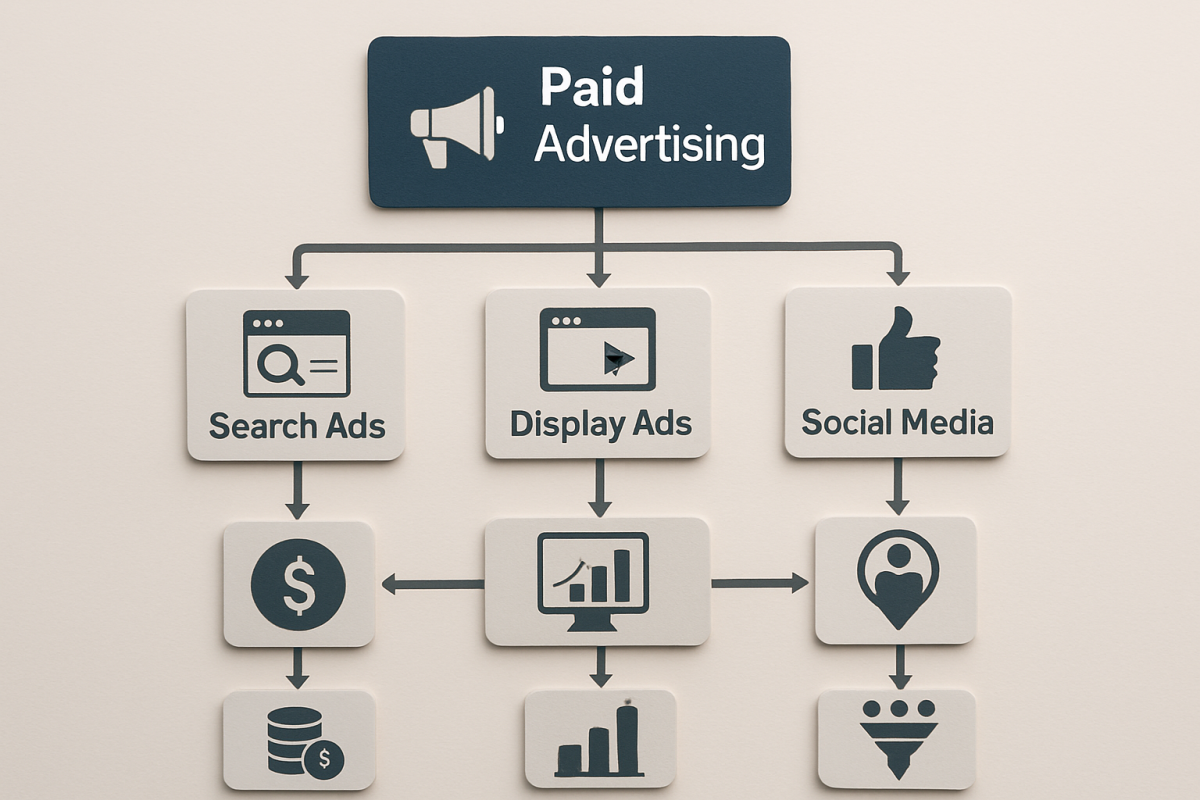
Paid advertising involves businesses paying to display their ads on various platforms, such as search engines, social media, and websites. Unlike organic marketing, where growth is achieved over time, paid advertising can deliver immediate visibility and results.
Types of Paid Advertising
- Search Engine Advertising: This includes pay-per-click (PPC) ads, where advertisers bid on keywords to display their ads in search engine results.
- Display Advertising: These are visual ads that appear on websites, often as banners or sidebars.
- Social Media Advertising: Platforms like Facebook, Instagram, and LinkedIn offer targeted ad options to reach specific audiences.
- Native Advertising: Ads that blend in with the content of the platform, making them less intrusive and more engaging.
Ready to stop building someone else’s business?
Crafting an Effective Paid Advertising Strategy
Creating a successful paid advertising strategy requires understanding your target audience and setting clear goals. According to HubSpot, businesses that define their target audience achieve a 3.1x higher click-through rate (CTR) in their ad campaigns.
Define Your Objectives
Before launching an ad campaign, it’s crucial to define what success looks like for your business. Whether it’s increasing website traffic, generating leads, or boosting sales, having clear objectives will guide your strategy.
Target the Right Audience
Utilize the targeting options available on advertising platforms to reach the audience most likely to convert. This can be based on demographics, interests, or behaviors.
Optimize Your Ad Creative
Engaging visuals and compelling copy are key components of successful advertising. Ensure your ads are visually appealing and your messages are clear and concise.
Analyzing and Adjusting Your Campaigns
Once your ads are live, continuous monitoring and adjustment are necessary to maximize their effectiveness. According to Statista, 68% of marketers adjust their ad campaigns at least once a week to improve performance.
Key Metrics to Track
- Click-Through Rate (CTR): Measures how often people click on your ads after seeing them.
- Conversion Rate: The percentage of users who take a desired action after clicking your ad.
- Return on Ad Spend (ROAS): Calculates the revenue generated for every dollar spent on advertising.
Using A/B Testing
A/B testing allows you to compare different versions of your ads to determine which performs better. This can include changes in ad copy, visuals, or targeting.
Profit Signal Discover the Systematic Domain Investment Strategy

The Future of Paid Advertising
As technology evolves, so does the landscape of paid advertising. With the rise of artificial intelligence and machine learning, advertisers can expect more automated and data-driven strategies. According to Forrester, AI-driven marketing will account for over 30% of digital advertising spend by 2025.
Embracing New Technologies
Staying ahead of the curve means embracing new technologies and platforms. This includes exploring emerging advertising channels like voice search and virtual reality.
Focus on Personalization
Personalized ads are more effective because they resonate with individual users. Leveraging data to create tailored ad experiences will be crucial for future success.
Frequently Asked Questions
What is paid advertising?
Paid advertising refers to any kind of promotion where businesses pay to display their ads on various platforms. This can include search engines, social media, and other websites.
How effective is paid advertising?
Paid advertising can be highly effective if done correctly. It allows you to target specific audiences and track results, making it easier to measure ROI and adjust strategies as needed.
What are the types of paid advertising?
Common types of paid advertising include pay-per-click (PPC), display ads, social media ads, and native advertising. Each type serves different purposes and platforms.
How much does paid advertising cost?
The cost of paid advertising can vary widely depending on the platform, industry, and competitive landscape. It often operates on a bidding system where businesses set their own budgets.
Can small businesses benefit from paid advertising?
Yes, small businesses can greatly benefit from paid advertising by targeting local audiences and specific demographics, which can lead to increased visibility and sales.
Conclusion
Mastering paid advertising requires a strategic approach, continuous optimization, and a keen eye on industry trends. By defining clear objectives, targeting the right audience, and embracing new technologies, you can maximize your return on investment. As you refine your strategies, keep an eye on performance metrics and be ready to adapt.
For more on boosting your online presence, check out our guide on Master Social Media Management or learn about the latest in search engine optimization with our JavaScript SEO office hours.